
Green Coffee Moisture Records: What Buyers Should Ask Before Shipment
A moisture percentage needs context. Learn which methods, lot details, dates and test conditions make a green coffee measurement record useful before shipment.
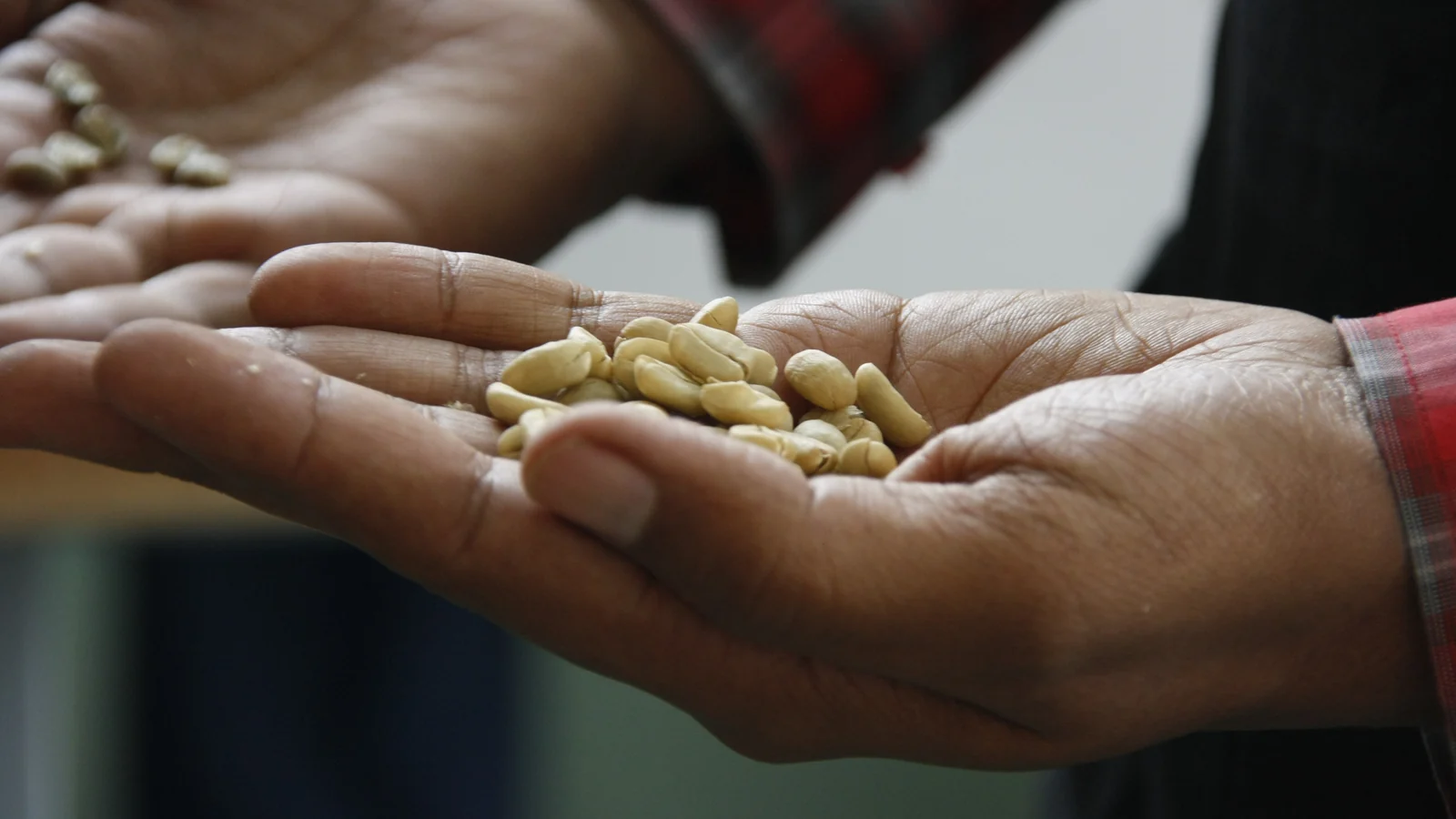

A moisture result can look precise and still leave a buyer with an unanswered question: does it describe the coffee that will actually be loaded? A percentage without a method, lot reference or test date is difficult to compare with the next report. Before shipment, the useful request is a short, traceable measurement record.
That record should separate moisture content from water activity, identify how each result was obtained, and explain what happened to the coffee between sampling and dispatch. The checklist below is a practical purchasing approach, not a universal acceptance specification.
Two measurements, two different questions
Moisture content expresses the quantity of water relative to a stated mass basis. Water activity, written as aw, describes the water's availability and is expressed on a scale from zero to one. FAO's explanation relates it to equilibrium vapour pressure at the same temperature. It also explains why materials with the same total water content can have different water activities.
For a buyer, the consequence is straightforward: a moisture percentage is not a substitute for a water activity result. Do not convert one into the other with an assumed universal formula. If both matter to the purchase specification, request both, with their methods and conditions. Neither reading alone establishes cup quality or certifies the whole shipment's condition.
Name the method behind the number
ISO 6673:2025, published in November 2025, concerns green coffee's loss in mass at 105 °C. Its published scope allows that measurement to represent water content by convention and agreement between the parties. It also identifies a role in calibrating water-content methods. That wording matters: the report should identify the method and edition, rather than simply say “ISO tested”.
For a handheld meter reading, ask for the instrument identification, the coffee setting used and the relevant calibration or verification record. ISO 24115:2012 addresses adjustment and calibration of green-coffee moisture meters using reference beans whose moisture has been established through ISO 6673. A meter display and a laboratory report can be useful together, but their results should not be treated as automatically interchangeable.
Make the result traceable to the lot
Start with the lot identifier that appears on the packing and shipment records. Add the sampling date and location, the person or organisation taking the sample, and the sample identifier used by the laboratory. Ask how the selected bags or other sampling points represented that lot.
ISO 9116:2025 places specification, sampling, marking, storage and shipping within the same green-coffee purchasing framework. The practical implication is to keep those records connected. A result for an earlier offer sample should not silently become the result for a later assembled shipment. If lots are combined or substituted, request a clear explanation of which material the measurement covers.
Keep conditions and timing visible
For each test, retain the result, unit or reporting basis, test date and method. For water activity, also request the measurement temperature and instrument details. ISO 18787:2017 provides a separate framework for determining water activity in foods; it is not a moisture-percentage test.
Record how the sample was packaged, stored and transferred before testing. FAO's discussion of moisture equilibrium shows why exposure to the surrounding air can change a material's water content. A sample left open on a desk may no longer tell the same story as the sealed sample originally dispatched.
There is no single retesting interval proposed here. Instead, agree what would trigger a new check: a lengthy shipment delay, changed storage conditions, damaged packaging or a change in lot composition. These are purchasing decisions to document with the parties responsible for sampling and testing, rather than assumptions to make after loading.
Agree what happens when results differ
Before shipment, define the applicable acceptance criteria, the agreed test method, who reviews a disputed result and whether a retained sample or fresh representative sample will be tested. Do not average two conflicting reports just to obtain a comfortable number. First check whether they refer to the same lot, reporting basis, method and testing conditions.
A compact release record can bring this together: lot and sample IDs; sampling and testing dates; method and edition; instrument and calibration reference; moisture and, where required, water activity results; relevant conditions; and the name of the person recording the release decision. Keep the original reports attached. The value is not a longer certificate: it is being able to follow a result back to the coffee it describes.
Send this buying note to a buyer or colleague.
References
- ISO 6673:2025 - Green coffee - Determination of loss in mass at 105 °C (November 2025).Accessed 1 November 2026.
- ISO 24115:2012 - Green coffee - Procedure for calibration of moisture meters - Routine method (June 2012).Accessed 1 November 2026.
- ISO 9116:2025 - Green coffee - Guidance on methods of specification (September 2025).Accessed 1 November 2026.
- ISO 18787:2017 - Foodstuffs - Determination of water activity (November 2017; confirmed 2023).Accessed 1 November 2026.
- FAO, Fruit and vegetable processing, Agricultural Services Bulletin119, section5.2.1: Water and water activity in foods (1995).Accessed 1 November 2026.