
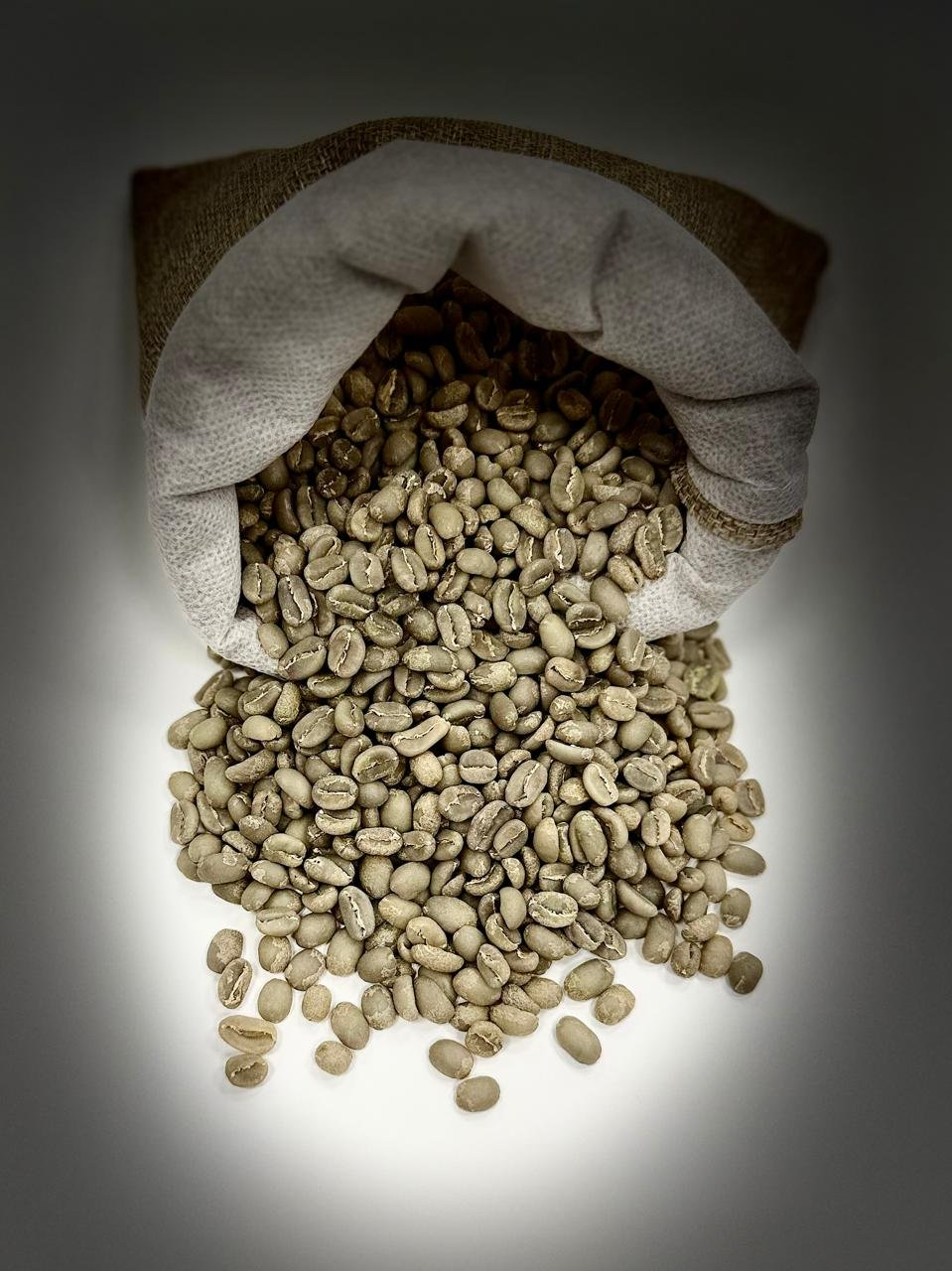
Skip to content

THE GREEN COFFEE COLLECTION

Green coffee beans Dubai buyers can explore.
Know your coffee.

Use MRGT’s green coffee catalogue to compare origins, species and preparation options before making a container enquiry. Listings describe coffee options, not confirmed live inventory. The minimum order is one 20-foot container. Share your selected specification and destination with WhatsApp +971569727635 to confirm availability and order-specific shipment arrangements.

Discuss your next order ↗

Seven origins, one clear buying brief

Catalogue listings describe coffee options, not live inventory. The species shown reflect this collection; confirm the specification of the offered lot.

Origin, coffee species and UAE availability
OriginSpecies / collectionUAE availability
BrazilArabica in this collectionConfirm UAE availability
ColombiaArabicaConfirm UAE availability
VietnamRobusta in this collectionConfirm UAE availability
EthiopiaArabicaConfirm UAE availability
IndonesiaArabica and Robusta; confirm the lotConfirm UAE availability
UgandaArabica and Robusta; confirm the lotConfirm UAE availability
IndiaArabica and Robusta; confirm the lotConfirm UAE availability

For each origin, ask whether a matching 20-foot container can be supplied from UAE stock. If suitable stock is unavailable, confirm the origin-shipment option, terms and timing.

MRGT also books direct shipment from origin to the customer’s destination, with the route and terms confirmed for each order.

Confirm availability on WhatsApp +971 56 972 7635 ↗
Green coffee in the MRGT Brazil collection
Brazil THE ORIGIN COLLECTION

Arabica in this collection

Brazil

From the chocolate-and-nut sweetness associated with Cerrado Arabica to distinctive Rio preparations, Brazil offers a broad palette for roasters. Region, species and preparation are the useful starting points for finding the right cup.

Cup character
Indicative Cerrado Arabica: chocolate, caramel and nuts. Rio has a distinct phenolic character.
Acidity
Varies; Cerrado guidance suggests a gentle citrus impression.
Body
Moderate to full in the Cerrado reference profile.
Processing
Natural and pulped-natural preparations occur; confirm each lot.

Origin context Cerrado Mineiro is a growing region. · Alta Mogiana is an Arabica-growing region in northern São Paulo. · Santos is a commercial designation; Rio describes cup character.

EXPLORE THE OPTIONS

A closer look.

Open a coffee for its character and buying details.

Origin profiles are a starting point. The available lot, process and sample determine the cup.
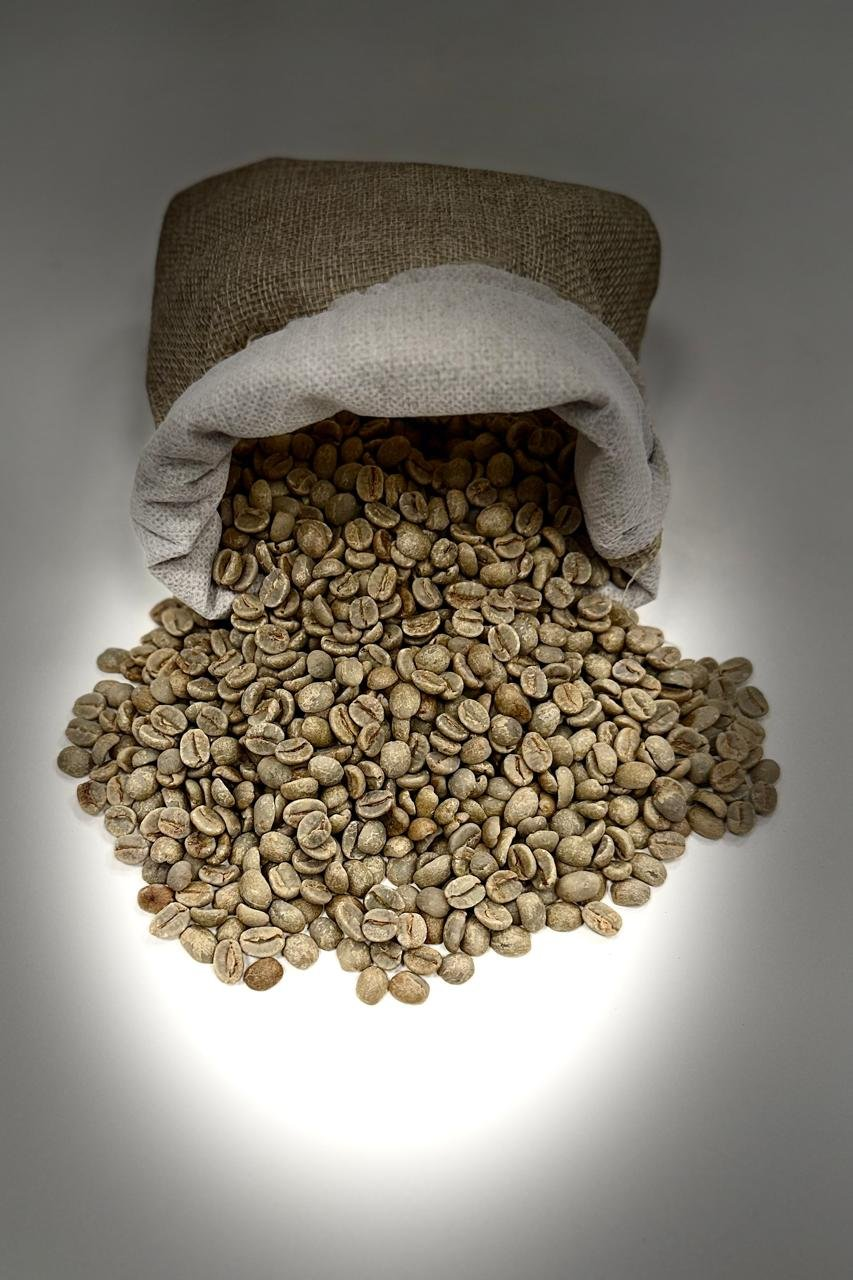
gradeRio 17/18

A distinctive Brazilian preparation for buyers who seek the traditional Rio cup character. Rio describes the cup classification and 17/18 the bean-size selection, giving two useful specifications for comparing offers.

Taste
Characteristic phenolic, medicinal or iodine-like Rio cup character.
Acidity
Not established by the Rio label or screen selection.
Body
Lot-dependent; confirm texture through the pre-shipment sample.
Process
Not specified by this name; request the lot’s processing details.

Agree Rio intensity, processing and physical tolerances against the sample; the name describes cup style, not a growing region.

Enquire about this coffee ↗
gradeSantos Fine Cup

An approachable Brazilian commercial style, with reference coffees showing rounded texture and nut, chocolate or caramel sweetness. Santos Fine Cup is a useful buying description; the supplying region and physical preparation complete the picture.

Taste
Indicative reference cups: nuts, chocolate and caramel sweetness.
Acidity
Gentle in some reference cups; livelier in others.
Body
Typically rounded and balanced in the referenced trade offerings.
Process
Natural and pulped-natural examples occur; confirm the offered preparation.

Confirm species, region, screen and defect limits. Fine Cup describes the intended cup quality; the offered sample establishes its expression.

Enquire about this coffee ↗
regionCerrado

Cerrado Mineiro’s growers describe an Arabica profile built around sweetness, chocolate and nuts, with a gentle citrus lift. Distinct wet and dry seasons provide the regional context for this well-established Brazilian origin.

Taste
Indicative chocolate, caramel and nut character with sweetness.
Acidity
Gentle citrus acidity in the federation’s regional profile.
Body
Moderate to full, with a balanced, lingering finish.
Process
Natural and pulped-natural lots occur; confirm the offered preparation.

Request farm or producer group, process and sample. A protected-origin claim, when offered, should be supported by the lot’s traceability.

Enquire about this coffee ↗
Arabica · Growing regionAlta Mogiana

An established Arabica-growing region in northern São Paulo, Brazil. Its regional profile pairs sweetness with a rounded, creamy cup. Confirm the farm, crop and preparation of the offered lot.

Taste
Indicative regional notes: chocolate, nuts and caramel sweetness, with fruity aromatics.
Acidity
Medium and balanced in the regional reference profile.
Body
Full, creamy and velvety in the regional reference profile.
Process
Confirm the offered lot’s processing method and drying preparation.

Ask for the current specification, screen size, processing, sample and quotation. Regional characteristics do not guarantee an individual lot’s cup.

Enquire about this coffee ↗
Read the Brazil sourcing profile ↗
Origin references
Green coffee in the MRGT Colombia collection
Colombia THE ORIGIN COLLECTION

Arabica

Colombia

Fruit, citrus, caramel and chocolate appear across Colombia’s regional Arabica profiles. Supremo and screen selections bring different physical preparations to that diverse origin, while the producing area and processing shape the cup.

Cup character
Indicative: fruit, caramel or chocolate, depending on region.
Acidity
Often medium to lively; the region and lot matter.
Body
Commonly medium; regional profiles include silky or creamy textures.
Processing
Washed Arabica is the conventional export reference; verify the offered process.

Origin context Huila and Cauca can show pronounced citrus and fruit. · Santander can lean towards chocolate and a fuller texture.

EXPLORE THE OPTIONS

A closer look.

Open a coffee for its character and buying details.

Origin profiles are a starting point. The available lot, process and sample determine the cup.
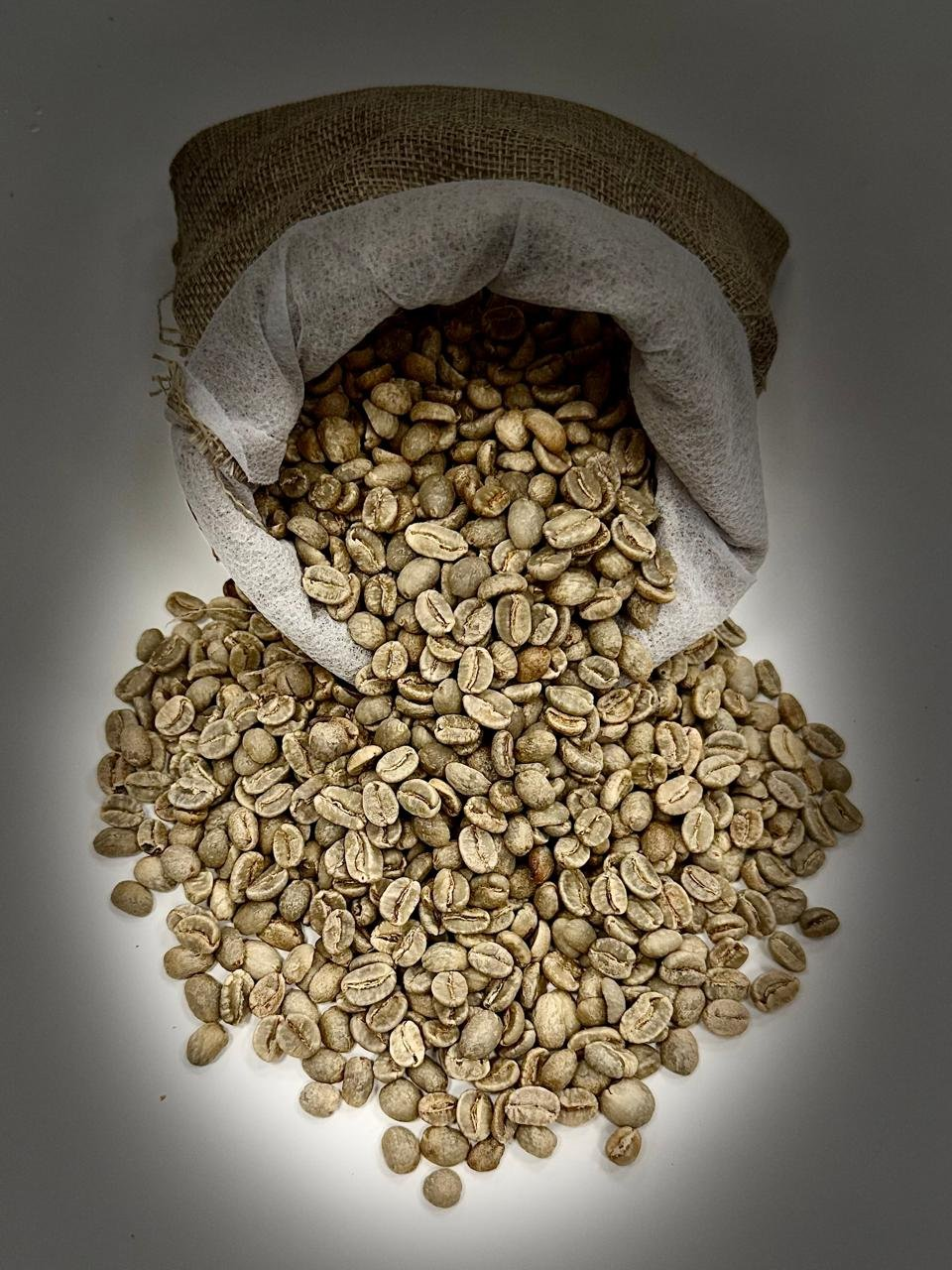
gradeSupremo

A large-bean commercial preparation that offers access to Colombia’s varied regional Arabica cups. Supremo is available under different screen specifications, so the producing region and contracted preparation are the useful details when comparing lots.

Taste
Indicative Colombian range: fruit, caramel, chocolate or citrus.
Acidity
Medium to lively according to region; not set by Supremo.
Body
Commonly medium, with regional differences in texture.
Process
Conventionally washed Arabica; confirm the specific offered lot.

Agree minimum screen, undersize tolerance, defects and regional source. Supremo is a preparation name, rather than a botanical variety.

Enquire about this coffee ↗
gradeScreen 18

A defined bean-size selection for buyers seeking a consistent physical preparation. Colombian Screen 18 can express different regional cups, making the origin and processing useful companions to the size specification when choosing a coffee.

Taste
Indicative: caramel and fruit; some regions show chocolate or citrus.
Acidity
Region-dependent, commonly medium to lively in FNC profiles.
Body
Often medium; creamy or silky textures depend on the lot.
Process
Washed Arabica is the conventional reference; verify preparation.

Agree screen retention, undersize tolerances and defects, then assess the sample against your roast target. Size does not rank flavour.

Enquire about this coffee ↗
gradeScreen 19

A larger bean-size selection than Screen 18, suited to buyers specifying a particular physical presentation. The underlying Colombian region and lot still provide the flavour, allowing this preparation to be evaluated alongside its cup and roast performance.

Taste
Indicative Colombian regional range: fruit, caramel, citrus or chocolate.
Acidity
Not inherently higher or lower than Screen 18.
Body
Determined by the lot, not by the larger screen.
Process
Usually offered within washed Arabica preparations; verify the contract.

Request screen distribution, region and a sample. The larger number describes dimensions, rather than a sensory score or a particular variety.

Enquire about this coffee ↗
Read the Colombia sourcing profile ↗
Origin references
Green coffee in the MRGT Vietnam collection
Vietnam THE ORIGIN COLLECTION

Robusta in this collection

Vietnam

Vietnam’s Central Highlands are a major source of Robusta, with a regional reputation for a strong cup and substantial body. Screen 18 wet-polished preparation pairs a defined size selection with a polished green-bean finish.

Cup character
Indicative conventional Robusta: a strong, assertive cup.
Acidity
Generally restrained in the Buon Ma Thuot regional reference.
Body
Substantial in the regional Robusta reference.
Processing
Wet polishing is a finishing treatment; confirm the earlier cherry-processing method.

Origin context Central Highlands, including Dak Lak. · Dak Lak includes the established Buon Ma Thuot coffee origin.

EXPLORE THE OPTIONS

A closer look.

Open a coffee for its character and buying details.

Origin profiles are a starting point. The available lot, process and sample determine the cup.
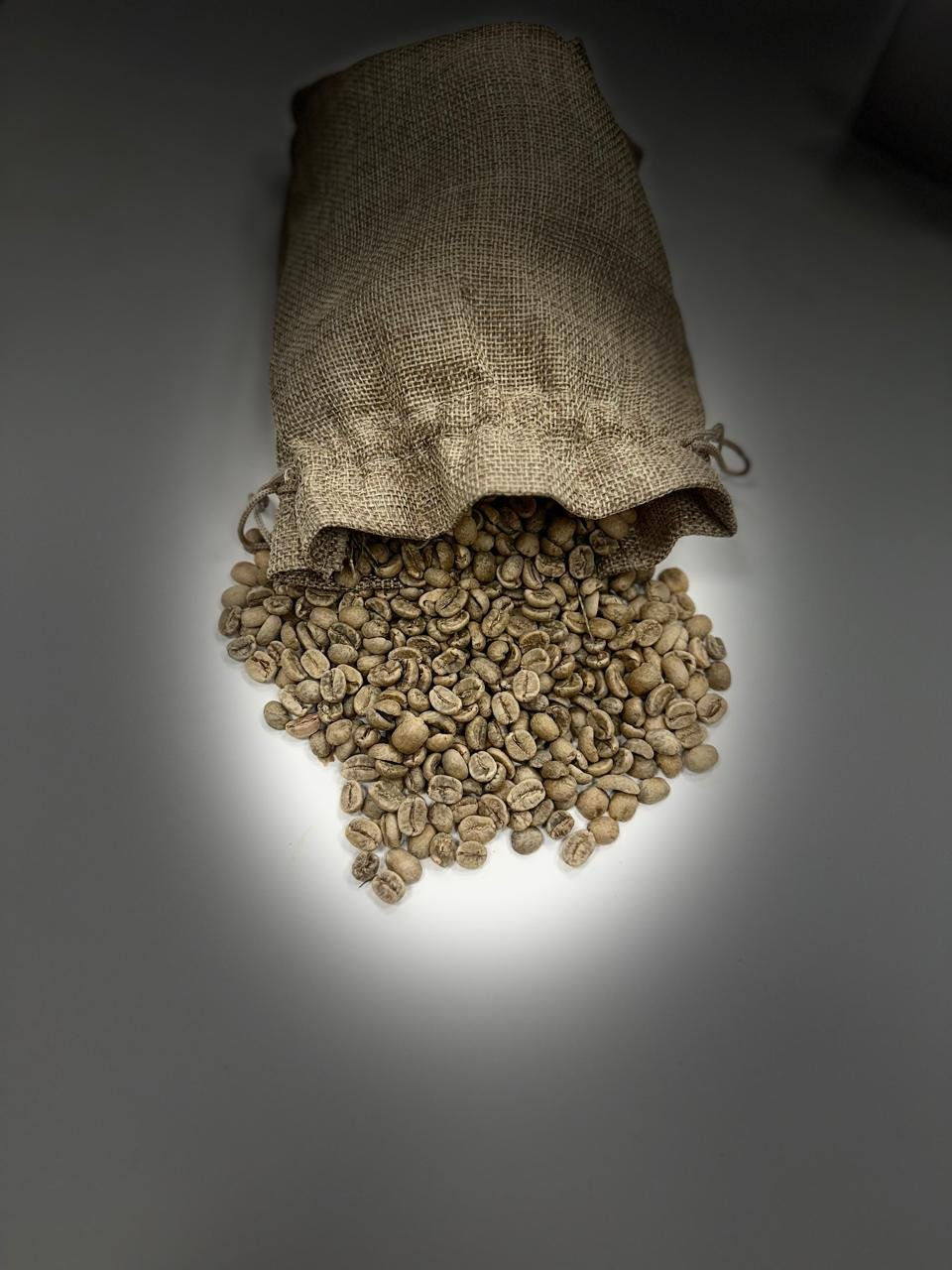
processRobusta SC18 Wet Polished

A Vietnamese Robusta preparation combining Screen 18 sizing with wet polishing for a clean green-bean surface. The Central Highlands provide useful regional context: an assertive cup and substantial body, with the offered lot determining the final balance.

Taste
Indicative conventional Robusta: a strong, assertive character; sample for clean finish.
Acidity
Generally restrained in the Central Highlands regional reference.
Body
Substantial in the regional reference; verify the offered lot.
Process
Wet-polished finishing; earlier cherry-processing method requires confirmation.

Confirm screen retention, defects and prior cherry processing. Wet polishing is a finishing treatment, distinct from washed cherry processing.

Enquire about this coffee ↗
Read the Vietnam sourcing profile ↗
Origin references
Green coffee in the MRGT Ethiopia collection
Ethiopia THE ORIGIN COLLECTION

Arabica

Ethiopia

Floral aromatics, bright citrus and expressive fruit make Ethiopian Arabica a rich origin to explore. Guji and Sidama offer distinct regional contexts, while washing station and washed or natural processing bring further variation.

Cup character
Indicative: floral, citrus and fruit expressions; natural lots may be fruit-led.
Acidity
Often lively; intensity and character depend on the lot.
Body
From delicate to rounded; Sidama references describe good body.
Processing
Both washed and natural Arabica are produced.

Origin context Hambela and Uraga are distinct areas within Guji. · Sidamo is a familiar trade name associated with Sidama coffees.

EXPLORE THE OPTIONS

A closer look.

Open a coffee for its character and buying details.

Origin profiles are a starting point. The available lot, process and sample determine the cup.
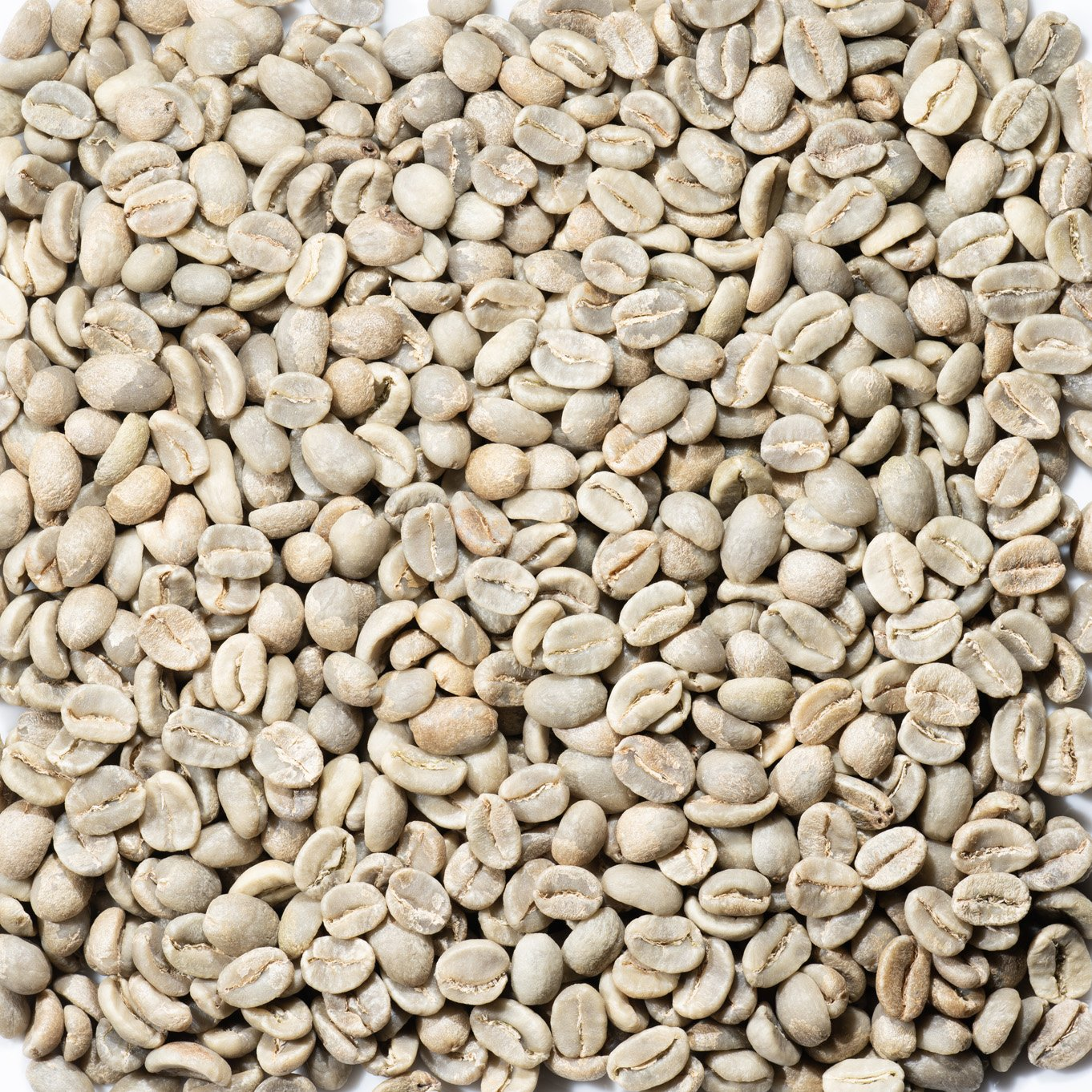
regionGuji

Guji offers a compelling range of Ethiopian Arabica, with washed references showing floral, citrus and stone-fruit expressions. Natural preparations add another route into the region. District and washing station help connect these broad characteristics to a specific coffee.

Taste
Indicative washed references: floral, citrus and stone-fruit impressions.
Acidity
Often lively, sometimes wine-like in regional descriptions.
Body
Variable from delicate to rounded; request a sample.
Process
Washed or natural; the regional name alone does not specify it.

Ask for district, station, process and grade. These details help distinguish a particular Guji lot from the wider regional profile.

Enquire about this coffee ↗
regionGuji Hambela / Uraga

Hambela and Uraga offer two distinct sourcing areas within Guji. Referenced washed coffees can be floral and citrus-led, while natural examples lean towards expressive fruit. Station and processing details help buyers choose between these different interpretations of the origin.

Taste
Indicative washed examples are floral and citrus-led; natural examples can be fruit-forward.
Acidity
Often bright in referenced lots; confirm the actual selection.
Body
Lot-dependent, from delicate to more rounded textures.
Process
Washed and natural examples exist; require the lot’s method.

Confirm Hambela or Uraga, the supplying station and process, or whether the offer is a stated blend of the two areas.

Enquire about this coffee ↗
gradeGuji G1

Guji origin paired with an Ethiopian Grade 1 classification. This brings a quality designation alongside the region’s floral and fruit-led reference profiles; the station, preparation and sample provide the finer detail for choosing the offered coffee.

Taste
Indicative Guji: floral and fruit expressions; actual notes need a sample.
Acidity
Often lively in regional references; G1 does not fix intensity.
Body
Lot-dependent; the grade alone does not define texture.
Process
May be washed or natural; confirm which is offered.

Request the grading specification, station and process. G1 is a classification, not an exact cupping score or a fixed flavour recipe.

Enquire about this coffee ↗
regionSidamo

A familiar trade origin associated with Sidama in southern Ethiopia. Official washed-coffee references describe a sweet, balanced cup with fine acidity and good body. Washing station and processing provide the next level of detail within this broad regional style.

Taste
Indicative washed reference: balanced sweetness with delicate acidity.
Acidity
Fine, lively acidity in the official regional description.
Body
Good body in that reference; texture varies by lot.
Process
Washed and natural coffees are supplied; confirm the preparation.

Confirm precise area, station, process and grade, then compare samples to choose the expression that suits your intended roast.

Enquire about this coffee ↗
Read the Ethiopia sourcing profile ↗
Green coffee in the MRGT Indonesia collection
Indonesia THE ORIGIN COLLECTION

Arabica and Robusta; confirm each offering

Indonesia

Indonesia offers a wide range of island, species and processing combinations. Java can bring bright, spicy Arabica or gentler-acidity Robusta; Sumatra’s Robusta references include stronger body and a pronounced bittersweet character.

Cup character
Indicative: Java Arabica may show spice; Robusta can be robust and bittersweet.
Acidity
Species-dependent; Java Arabica can be bright, Java Robusta much gentler.
Body
Medium to substantial across the association’s regional references.
Processing
Wet and dry preparations occur; WIB and supplier codes need a full specification.

Origin context Java includes distinct Arabica and Robusta preparations. · Lampung in Sumatra is an important Robusta origin.

EXPLORE THE OPTIONS

A closer look.

Open a coffee for its character and buying details.

Origin profiles are a starting point. The available lot, process and sample determine the cup.
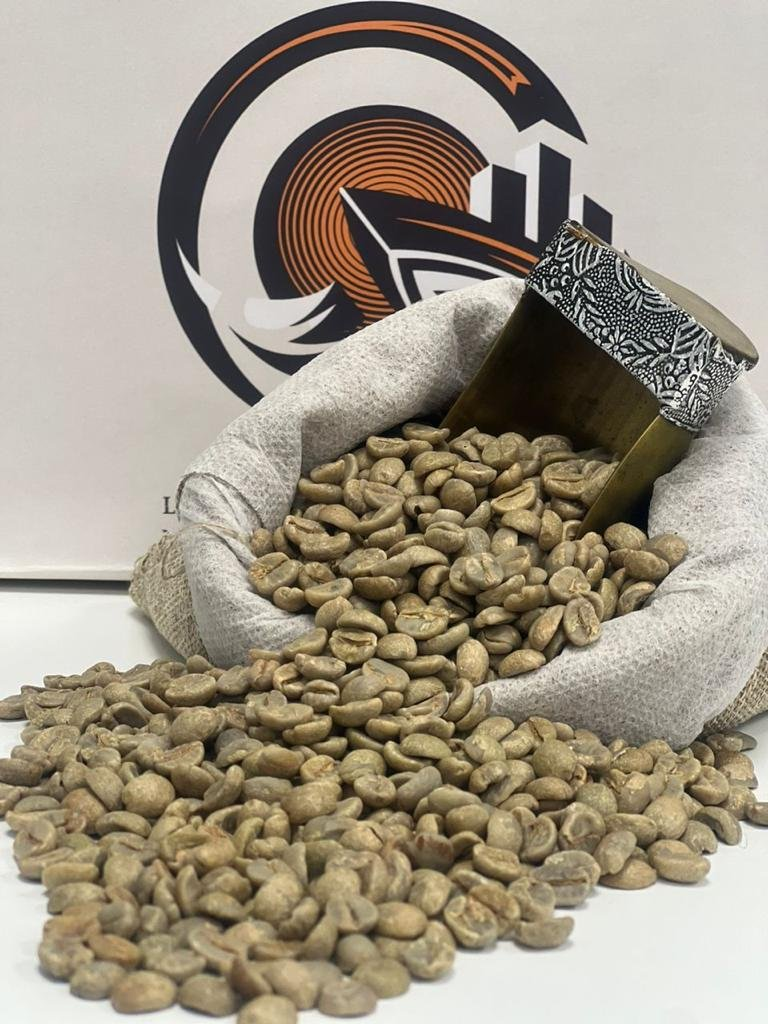
gradeAP1

An Indonesian trade preparation to assess through its full specification. Association references describe AP Robusta coffees from Lampung and Flores, offering a useful conditional starting point: robust flavour and substantial body, with regional differences in sweetness and bitterness.

Taste
If Robusta: a robust, bittersweet profile is a regional reference.
Acidity
Species and lot determine acidity; the code sets no level.
Body
Robusta references can be substantial; verify the actual sample.
Process
Not safely determined by AP1 alone; obtain the processing sheet.

Confirm species, origin, processing, screen and defect limits. AP1 alone does not establish a uniform quality level or one regional cup.

Enquire about this coffee ↗
gradeEK

A commercial Indonesian selection best understood through species, region and preparation. If offered as Robusta, its suitability can be assessed around body, bitterness, sweetness and blend balance; the supplier’s specification connects the short EK code to those practical qualities.

Taste
If Robusta: expect to evaluate robust bitterness and sweetness; no fixed notes.
Acidity
Conditional on species and lot; not defined by EK.
Body
May be substantial for Robusta, but sample confirmation is essential.
Process
Supplier specification required; do not infer washed, natural or wet-hulled.

Compare species, source region, defects, screen and sample. EK alone does not specify a universally defined process or sensory profile.

Enquire about this coffee ↗
processJava WIB

A Java wet-prepared style with distinct possibilities according to species. Association references describe estate WIB Robusta with gentle acidity and medium body, while East Java Arabica can be brighter and spicier. The full offer identifies which expression is available.

Taste
Robusta reference: clean, restrained flavour; Java Arabica can show spice.
Acidity
Robusta reference: very gentle; Java Arabica can be distinctly brighter.
Body
Medium in both association references, with lot variation.
Process
Wet preparation; do not automatically equate WIB with wet-hulled Sumatra coffee.

Confirm species, estate or region and grade. WIB wet preparation should not automatically be read as the wet-hulled process associated with Sumatra.

Enquire about this coffee ↗
Read the Indonesia sourcing profile ↗
Origin references
Green coffee in the MRGT Uganda collection
Uganda THE ORIGIN COLLECTION

Arabica and Robusta

Uganda

Uganda’s Robusta regions offer profiles ranging from chocolate and caramel to nutty and fruity expressions. The country also produces Arabica. For Screen 18 buying, physical preparation and the supplying district help narrow the choice.

Cup character
Indicative Robusta: caramel, chocolate or nutty notes; some regions show fruit.
Acidity
Variable by region and species; screen size sets no acidity level.
Body
Robusta references range from creamy to heavy and rounded.
Processing
Natural Robusta is a conventional export preparation; washed lots also exist.

Origin context Robusta areas include central and western Uganda. · Arabica is also grown in mountain regions.

EXPLORE THE OPTIONS

A closer look.

Open a coffee for its character and buying details.

Origin profiles are a starting point. The available lot, process and sample determine the cup.
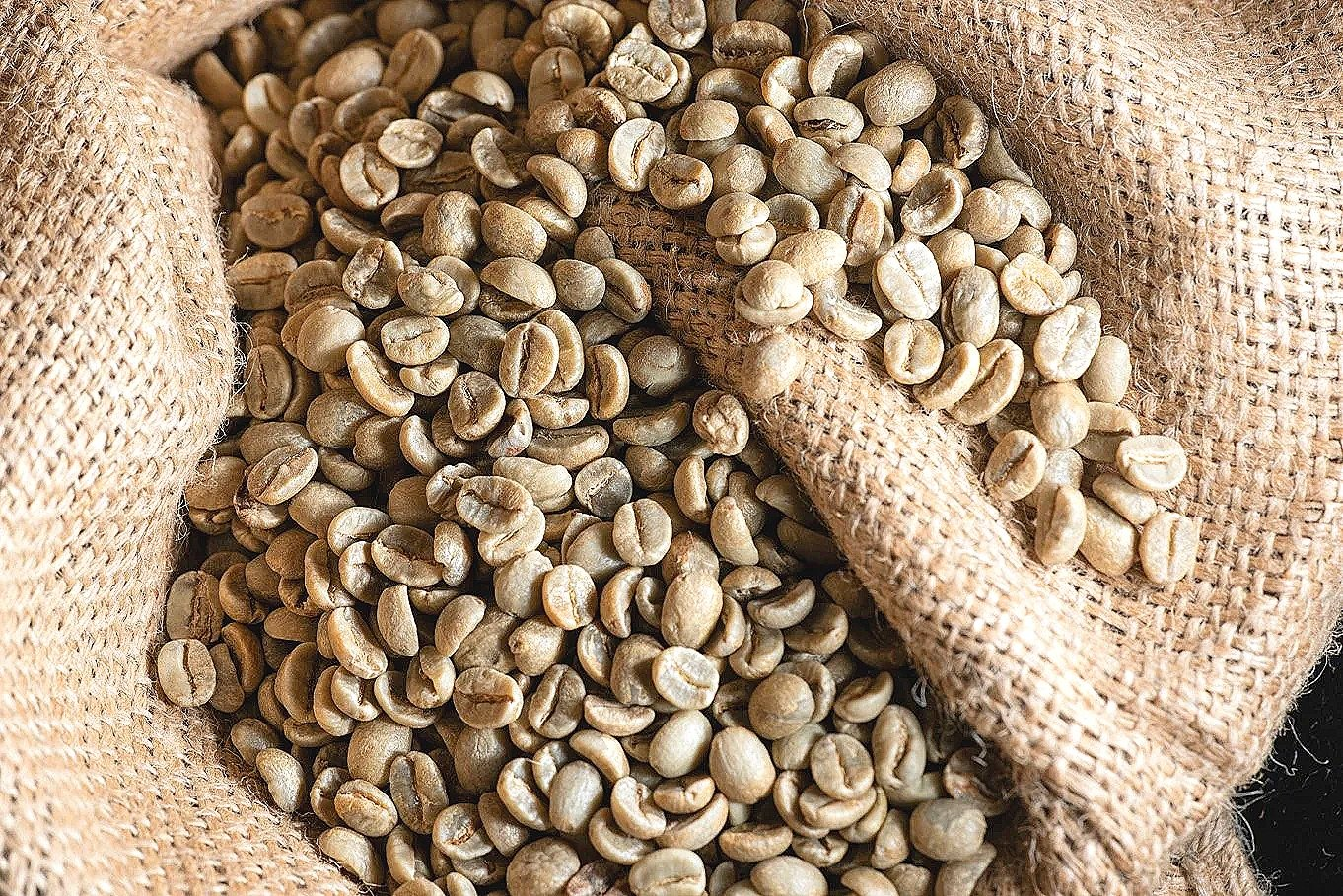
gradeScreen 18

A familiar size selection within Uganda’s conventional natural Robusta export grades. Regional references offer chocolate, caramel and nutty expressions, sometimes with fruit, giving buyers several possible cup directions within the same physical preparation.

Taste
Indicative regional Robusta: caramel, chocolate and nutty notes; some lots show fruit.
Acidity
Variable by district and preparation; screen size is not an acidity measure.
Body
Regional references include creamy, rounded and heavier textures.
Process
Conventionally natural Robusta; verify species and process in the specification.

Confirm species, process, district, screen tolerances and defects. Screen 18 identifies size; the sample establishes the cup and its suitability.

Enquire about this coffee ↗
Read the Uganda sourcing profile ↗
Origin references
Green coffee in the MRGT India collection
India THE ORIGIN COLLECTION

Arabica and Robusta

India

India’s shade-grown coffee regions produce both Arabica and Robusta, often described as mild and full-bodied. Cherry preparations explore the natural side of the origin, while Plantation identifies its washed Arabica tradition.

Cup character
Indicative: generally mild regional cups; flavour changes with species and estate.
Acidity
Often restrained in the Coffee Board’s national description.
Body
Typically substantial in the national description; confirm by sample.
Processing
Cherry: natural / unwashed. Plantation: washed Arabica.

Origin context Traditional growing regions include Karnataka, Kerala and Tamil Nadu. · Coorg and Chikmagalur grow both species; Wayanad is associated with Robusta.

EXPLORE THE OPTIONS

A closer look.

Open a coffee for its character and buying details.

Origin profiles are a starting point. The available lot, process and sample determine the cup.

gradeCherry AA

A large-bean selection within India’s natural coffee tradition. Both Arabica Cherry AA and Robusta Cherry AA are recognised categories, offering different starting points for cup style. Species and growing area give the physical grade its useful sensory context.

Taste
Conditional: milder Arabica or a more assertive Robusta expression.
Acidity
Species-dependent; Indian regional guidance is generally restrained, not a guarantee.
Body
Often substantial in regional guidance; confirm species and sample.
Process
Natural / unwashed; obtain drying and preparation details.

Confirm Arabica or Robusta, screen tolerances and defects. Compare the actual cup rather than treating AA as a guaranteed sensory ranking.

Enquire about this coffee ↗
gradeCherry A

An A-grade selection within India’s unwashed coffee preparations, available in both Arabica and Robusta categories. It provides a different physical selection from AA within the named species, allowing buyers to compare size, cup and suitability for their roast.

Taste
Conditional: a milder Arabica expression or a stronger Robusta character.
Acidity
Lot- and species-dependent; the A designation sets no flavour balance.
Body
Confirm by sample; physical grade alone does not establish body.
Process
Natural / unwashed, with the actual drying method to confirm.

Compare A and AA within the same species and specification. Choose by sample and intended use, rather than size alone.

Enquire about this coffee ↗
gradeCherry PB

A peaberry selection from India’s natural coffee preparations. Its rounded, single-seed bean form gives it a distinctive physical character. Both Arabica and Robusta Cherry PB categories exist, with species and origin providing the main context for the cup.

Taste
Species and lot determine flavour; PB itself has no guaranteed tasting notes.
Acidity
Not established by bean shape; request the offered sample.
Body
Not inherently heavier than flat-bean grades; assess the lot.
Process
Cherry means natural / unwashed; confirm species and preparation.

Confirm species, peaberry specification and defects. Evaluate roast response separately from flat-bean lots; shape alone does not guarantee sweeter flavour.

Enquire about this coffee ↗
processPlantation

India’s washed Arabica tradition, offering another expression alongside the natural Cherry preparations. Plantation identifies the processing family; the estate or region and an accompanying physical grade bring more detail to the coffee and its potential cup profile.

Taste
Indicative Indian Arabica: mild and nuanced; estate and lot shape the notes.
Acidity
Often restrained to balanced; individual washed selections may be brighter.
Body
Generally substantial in national guidance, with lot-specific variation.
Process
Washed Arabica; confirm the detailed fermentation and drying preparation.

Request estate or region, physical grade, crop and sample. Plantation alone does not identify a screen size or the Mysore Nuggets selection.

Enquire about this coffee ↗
Read the India sourcing profile ↗
Origin references

LET’S TALK COFFEE

Your market.
Your next shipment.

Share the origin, grade, quantity and destination on WhatsApp. Our Dubai team will confirm what is available from UAE stock or for shipment from origin.

Prepare an enquiry ↗Read the sourcing guide ↗

Green coffee buying questions

What is the minimum order?

The minimum order is one 20-foot container. Confirm the origin, preparation, loading quantity and specification with MRGT before placing an order.

Can I request CIF or FOB terms?

Ask for a quotation that states the agreed Incoterm and named port. Origin shipments may be quoted CIF and suitable UAE-stock supplies FOB Dubai, subject to confirmation for the specific transaction. Confirm freight, insurance, clearance and destination responsibilities in writing.

How long does delivery take?

Delivery depends on confirmed stock, preparation, routing, destination and the agreed shipping window. Request a lot-specific schedule before committing; this catalogue does not promise immediate dispatch or a fixed transit time.

Can I request a sample?

Ask for a representative sample of the proposed lot before confirming the container. Confirm sample availability, quantity, destination and any dispatch or courier charges with MRGT; sample arrangements do not reserve stock.

Plan your enquiry by destination

Define the receiving point and lot requirements before asking MRGT to confirm a suitable supply route.

Back to Atlas ↗