
Green Coffee Sample Approval: What to Record Before an Order
A favourable sample needs a clear connection to the coffee being offered. Record the lot, sampling method, evaluation and approval conditions before ordering.
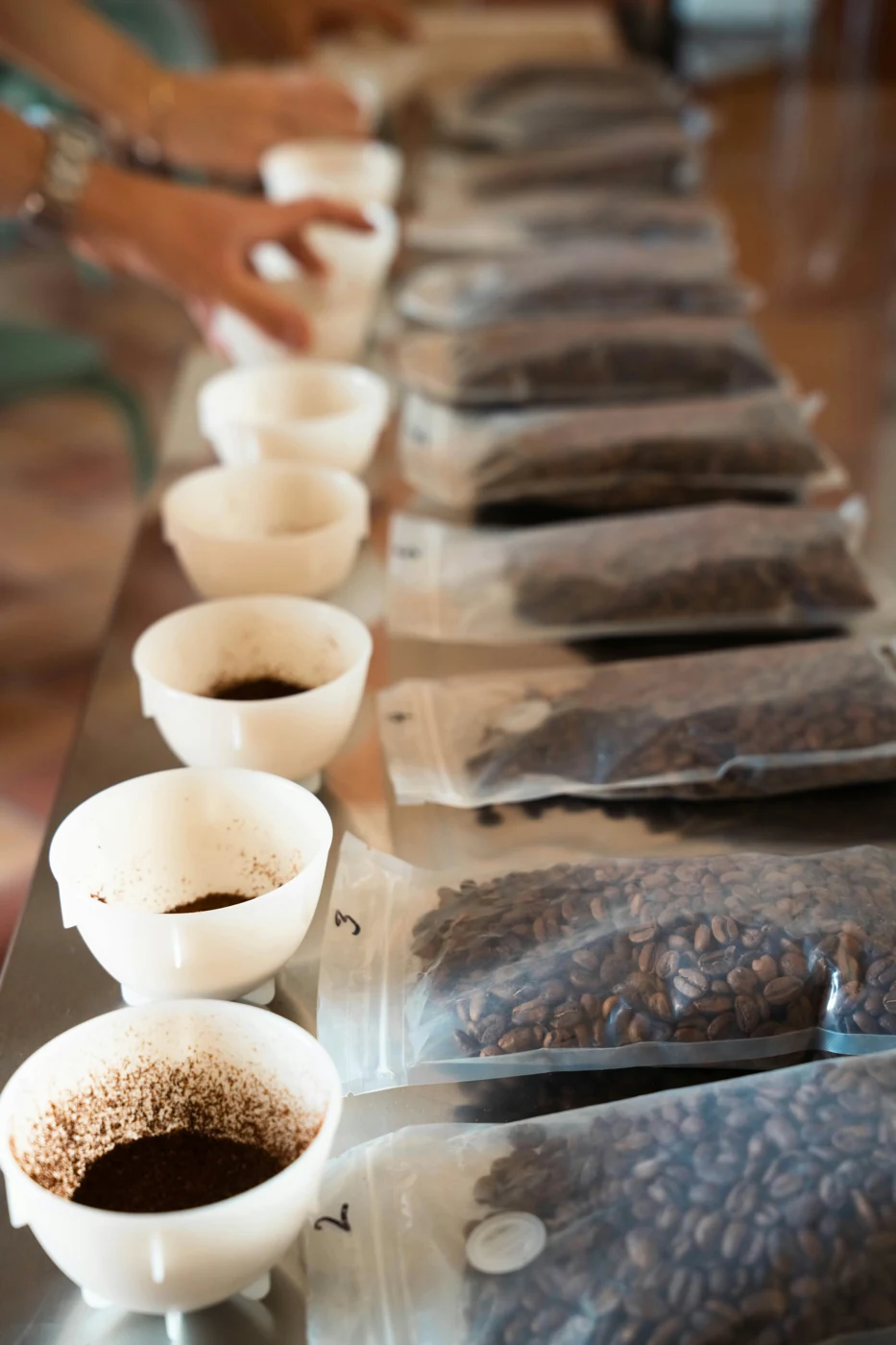
A good cupping result is a useful start to a green-coffee purchase. The next question is whether everyone is approving the same coffee. A sample, an offer and a shipment can carry different identifiers or describe different stages of preparation. Before placing an order, connect the evaluation to a named lot and a written specification that both sides understand.
Identify the sample and the proposed lot
Begin by asking what the sample represents. Is it an illustration of a proposed coffee profile, material drawn from an identified available lot, or a sample taken from coffee prepared for shipment? Record the answer rather than relying on the phrase "sample approved". If the lot has changed since the sample was taken, ask what changed and whether another evaluation is appropriate.
Give the sample a clear identity. A practical record can include the sample code, corresponding lot reference, stated origin, coffee type, processing description, crop information, sampling date and receipt date. Add the quantity and packaging proposed for the order. These are suggested purchasing controls, not a claim that one universal label format applies to every origin or contract.
Keep the product description alongside the sample record. ISO 9116:2025 provides guidance on describing green coffee for sale and purchase, as well as related handling procedures. Its existence is a useful reminder to make the specification explicit. Write down which characteristics matter to your operation and how the parties will assess them; a favourable tasting note alone does not answer those questions.
Check how the sample was collected
Ask how the sample was collected. ISO 4072:1982 addresses sampling bagged green-coffee consignments of ten bags or more for examination against a contract specification. Its scope includes collecting increments and preparing, packing and identifying samples. That does not establish that a particular sample was collected according to the standard. Ask which method was actually used and who carried it out.
For the buyer, the practical issue is the connection between the small sample and the larger lot. Request enough information to understand what material was sampled and whether the proposed order is drawn from that material. Avoid treating a photograph of selected beans as evidence that the whole consignment has the same characteristics. If representativeness is unclear, resolve it before relying on the result.
Record physical and sensory results separately
Separate physical assessment from tasting. ISO 4149:2025 covers examination by smell and appearance, together with determining foreign matter and defects in green coffee. Record the physical observations and the method used rather than compressing every result into a single cup score. Where a specification sets a limit, identify the measurement and basis of that limit.
Sensory preparation is another part of the record. ISO 6668:2008 covers roasting, grinding and beverage preparation for sensory analysis. Its public description says the resulting assessment may be used for shipment acceptance or rejection where the parties agree. It does not create an automatic acceptance rule for every purchase.
For a useful comparison, agree how samples will be prepared and evaluated. Keep the roast and tasting records, evaluation date and assessor details with the sample identity. If two teams obtain different results, first establish whether they tested the same material under comparable procedures. The aim is to make the discussion specific enough to investigate.
Make the approval decision explicit
Make the approval decision equally precise. Record what was accepted, any unresolved condition, the person responsible and the relevant sample and lot codes. Decide whether a later sample or inspection is required and who will arrange it. Keep quality approval separate from confirmation of allocation, shipment timing and the other commercial details of the order.
Consider a simple example: a buyer approves Sample A, but the subsequent offer lists Lot B. The correct next step is to confirm their relationship. A similar origin or description is not, by itself, that confirmation. If the seller proposes a replacement or blend, record the change and agree whether it needs a new sample.
A useful approval file brings the specification, sample identity, assessment results and decision together. It allows purchasing, quality and logistics teams to work from the same record. Before committing to an order, check that each reference still points to the coffee being offered and that any next step has a named owner. That gives a favourable sample result a clear role in the buying decision.
References
- ISO 9116:2025 - Green coffee - Guidance on methods of specification. ISO; published September 2025; accessed 30 October 2026.
- ISO 4072:1982 - Green coffee in bags - Sampling. ISO; published December 1982; accessed 30 October 2026.
- ISO 4149:2025 - Green coffee - Olfactory and visual examination and determination of foreign matter and defects. ISO; published November 2025; accessed 30 October 2026.
- ISO 6668:2008 - Green coffee - Preparation of samples for use in sensory analysis. ISO; published June 2008; accessed 30 October 2026.
Send this buying note to a buyer or colleague.